The Core Problem
Vape Waste Education
A clear guide explaining the fire risks, chemical hazards, and environmental damage caused by tossing e-cigarettes into standard waste and recycling bins.
Section 01
Why Disposable Vapes Should Not Be Thrown Away
Tossing a used vape into the garbage or a standard recycling bin creates immediate dangers. Disposable vapes contain pressurized lithium-ion batteries and residual liquid nicotine. When crushed in a garbage truck or sorting facility, these devices cause instant fires and leak toxic chemicals.
This guide explains exactly what happens when vapes enter the standard waste stream. You will learn the mechanics of battery fires, the environmental impact of nicotine, and the correct approach to disposable vape recycling and vape battery disposal. Handling these devices correctly protects sanitation workers and prevents heavy metals from entering local water supplies.
Are you a business owner? Read Cloud Cycle’s commercial disposal guide for Arizona retailers managing large volumes of vape waste.
Immediate Dangers
Section 02
What Happens When Vapes Enter The Waste Stream
Standard waste management systems are built for paper, plastic, and organic matter. They are not equipped to handle electronic devices containing volatile batteries and toxic liquids.
Garbage Truck Fires
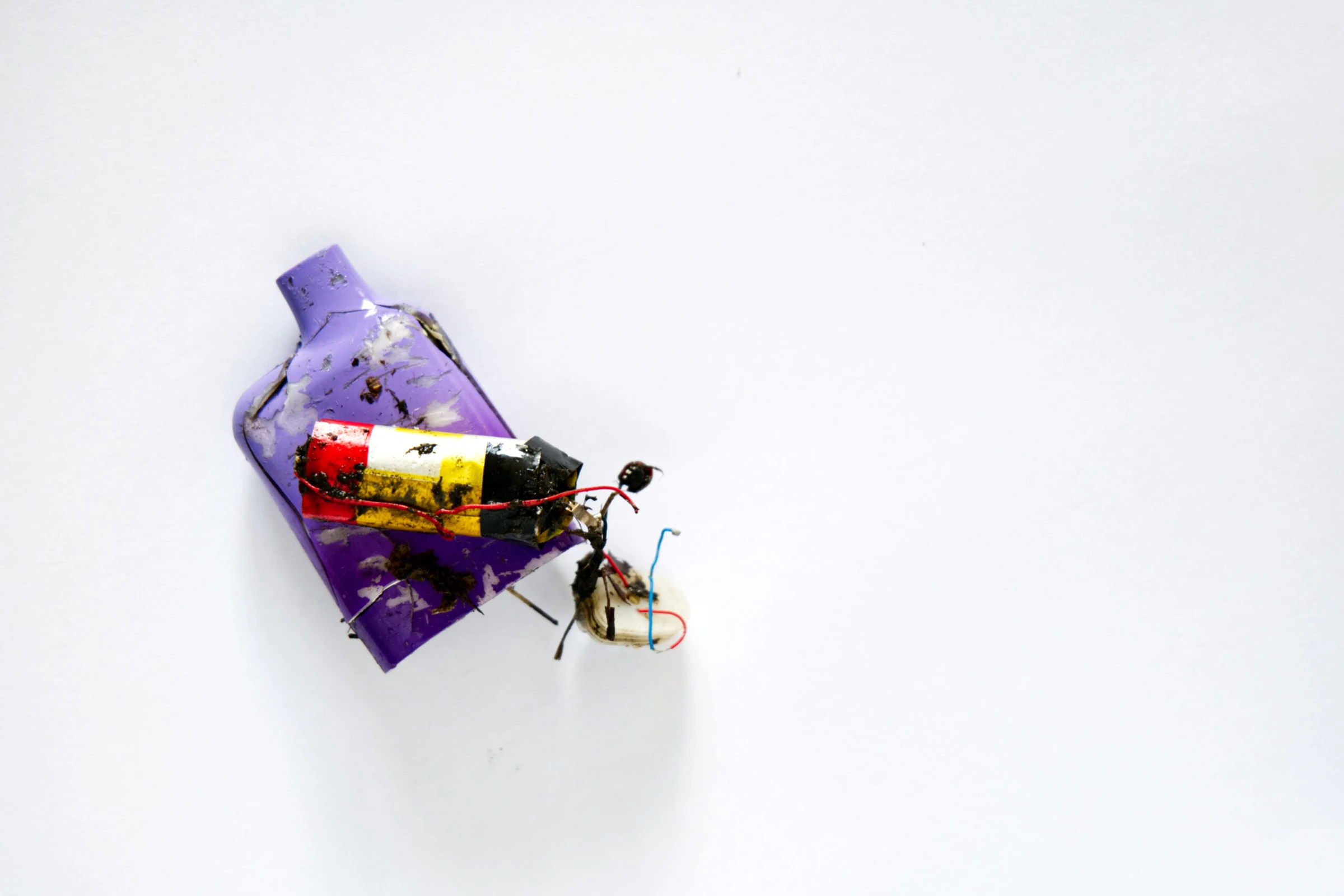
Compactor blades crush the vape casing, puncturing the lithium-ion battery and sparking instant, high-temperature fires inside the truck.
Facility Explosions
Recycling centers use heavy machinery that easily breaches hidden vape batteries, putting workers and expensive sorting equipment at risk.
Chemical Leaching
Devices that survive the trip to the landfill eventually degrade, releasing heavy metals and concentrated nicotine into the surrounding soil.
Device Components
Section 03
Two Distinct Hazards Inside Every Disposable Vape
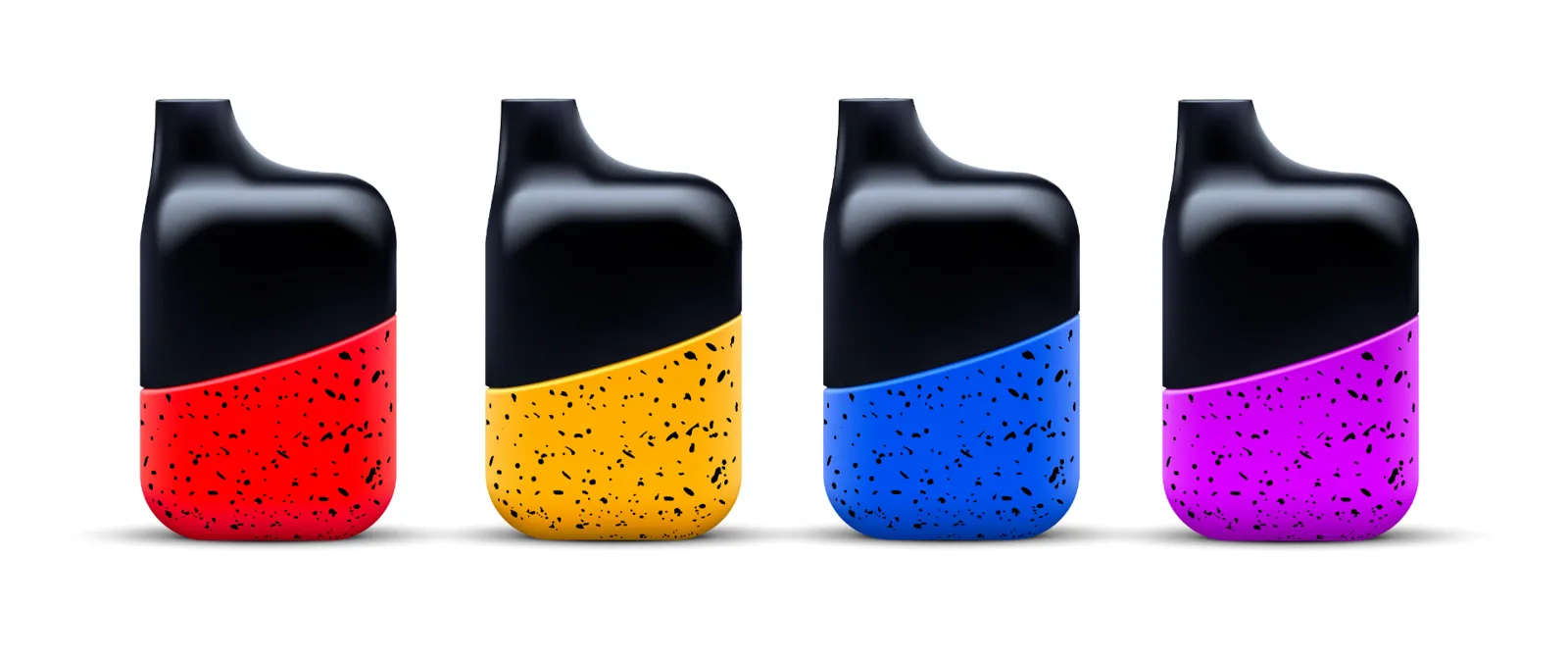
A disposable vape is a complex electronic device. The danger comes from two specific components that require entirely different handling methods.
The Lithium-Ion Battery
Stores high amounts of energy in a small space. Puncturing the microscopic separator between the anode and cathode causes immediate thermal runaway.
Residual Nicotine
Even an empty vape contains leftover e-liquid. The Environmental Protection Agency classifies liquid nicotine as an acute hazardous waste.
Heavy Metals
The heating coils and internal wiring contain metals like lead, chromium, and nickel that contaminate groundwater when left in a landfill.
Hard Plastics
The outer casing is made of mixed plastics fused with electronics. Standard municipal recycling facilities cannot process or separate these materials.
Fire Hazard
Section 04
The Mechanics Of A Vape Battery Fire
Vape battery disposal is the most critical part of managing e-cigarette waste. Lithium-ion batteries are highly reactive and unstable when damaged.
| Action | What Happens | The Result |
|---|---|---|
| Crushing | The internal separator breaks, causing a direct short circuit inside the battery cell. | The battery rapidly heats up and catches fire within seconds. |
| Puncturing | Oxygen from the air mixes with the highly reactive lithium and internal electrolytes. | An immediate chemical fire ignites that is extremely difficult to extinguish with water. |
| Water Exposure | Damaged batteries react violently when exposed to moisture in landfills or garbage trucks. | Toxic gas release and potential spontaneous combustion. |
| Heat Exposure | Leaving the device in a hot car or direct sunlight causes the internal pressure to build. | The battery swells and eventually vents toxic gases or explodes. |
For more information on the dangers of battery fires, review local municipal guidelines regarding electronic waste collection in your area.
The critical fact about battery fires: A lithium-ion battery fire burns at over 1,000 degrees Fahrenheit and can reignite hours or even days after being extinguished.
Toxic Waste
Section 05
Nicotine Is An Acute Hazardous Waste
The liquid inside a disposable vape is not just harmless flavored water. It contains concentrated nicotine, propylene glycol, and various flavoring chemicals. The EPA designates nicotine as a P075 acute hazardous waste due to its high toxicity.
Even when a device stops producing vapor, the internal cotton wick remains saturated with nicotine. Throwing this into a landfill introduces a potent neurotoxin directly into the local ecosystem.
Chemical Risks
Section 06
Why Nicotine Cannot Go In The Trash
- Nicotine acts as a potent pesticide that harms local wildlife and beneficial insects.
- Rainwater washes residual e-liquid out of crushed devices and straight into the water table.
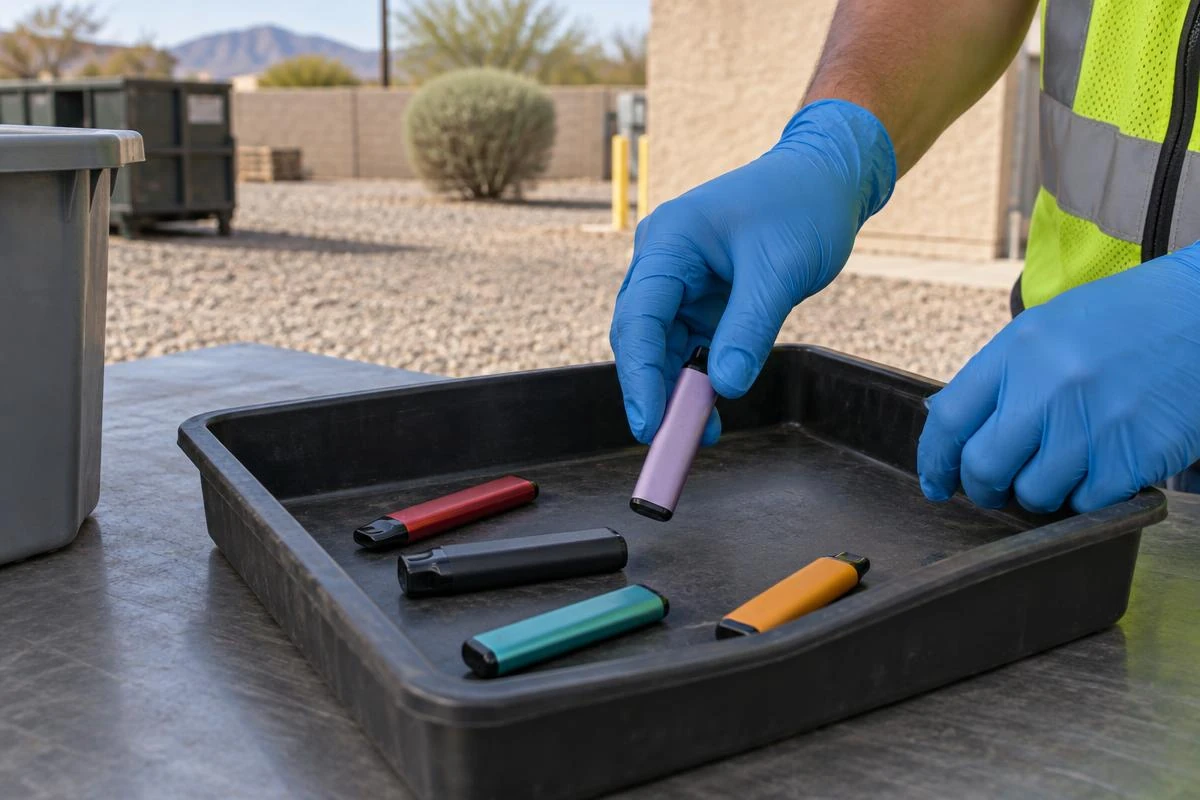
- Sanitation workers face severe skin-exposure risks when handling crushed devices leaking concentrated nicotine.
Wishcycling
Section 07
Why You Cannot Put Vapes In The Blue Recycling Bin
Many users assume the plastic casing means a vape can go in the household recycling bin. This practice, known as wishcycling, is highly destructive to the recycling industry.
| Assumption | The Reality |
|---|---|
| "It is mostly plastic." | The plastic is glued and fused with electronics. It cannot be separated by standard recycling machinery. |
| "The sorting facility will fix it." | Sorting facilities use fast-moving conveyor belts. A hidden vape battery easily slips through and causes a fire in the paper bales. |
| "It is small and harmless." | A single vape battery can burn down an entire recycling facility if it ignites near highly flammable dry paper and cardboard. |
Throwing a disposable vape in a household recycling bin is like hiding a small incendiary device in a pile of dry paper. It is not a matter of if it will cause a fire, but when.Cloud Cycle
Taking Action
Section 08
How To Handle Disposable Vape Recycling
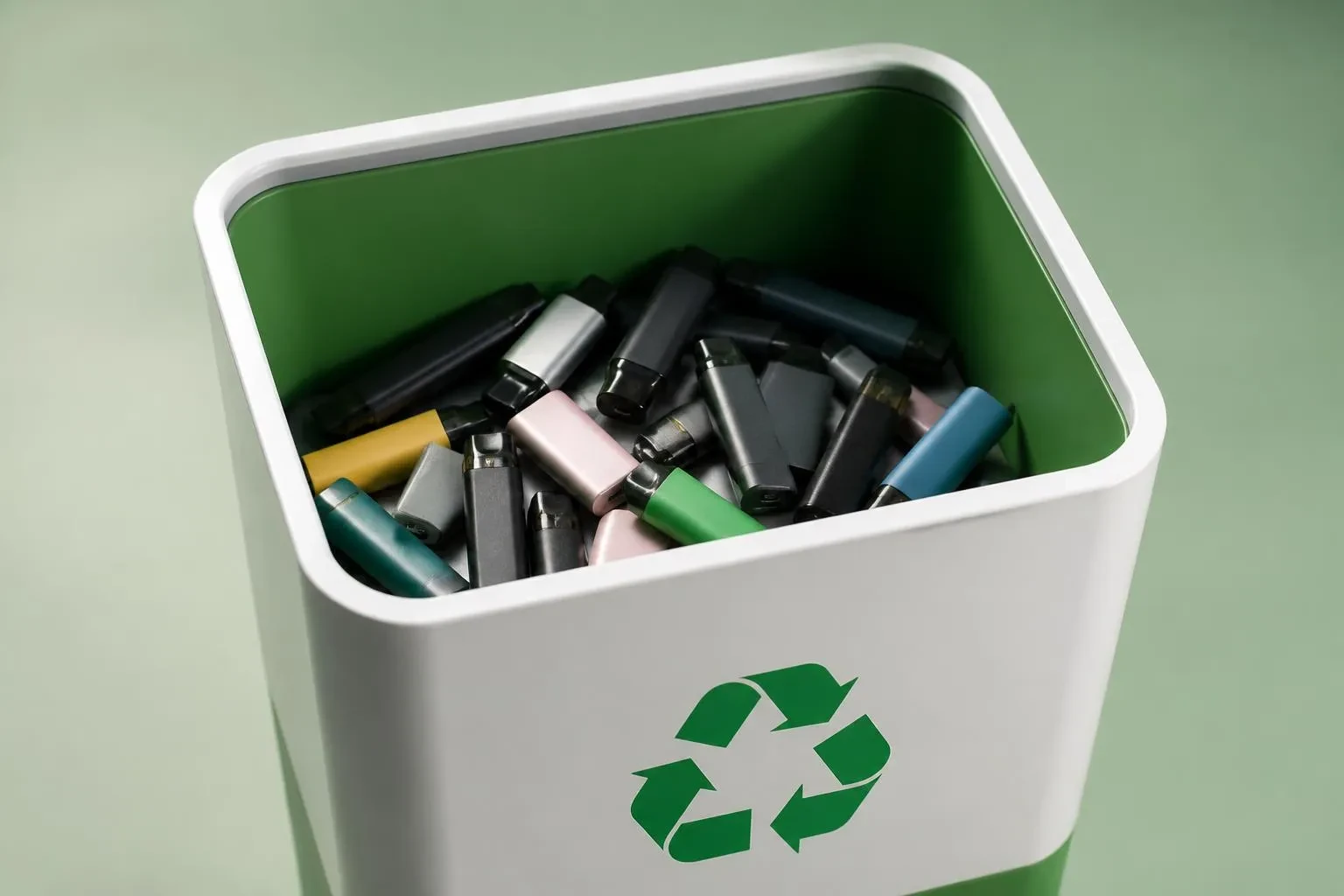
Proper disposable vape recycling requires specialized facilities. These locations safely dismantle the device, neutralize the battery, and manage the chemical waste properly.
Find A Household Hazardous Waste Facility
Most counties operate HHW drop-off sites. These locations accept lithium-ion batteries and electronic waste from local residents.
Use Retailer Take-Back Programs
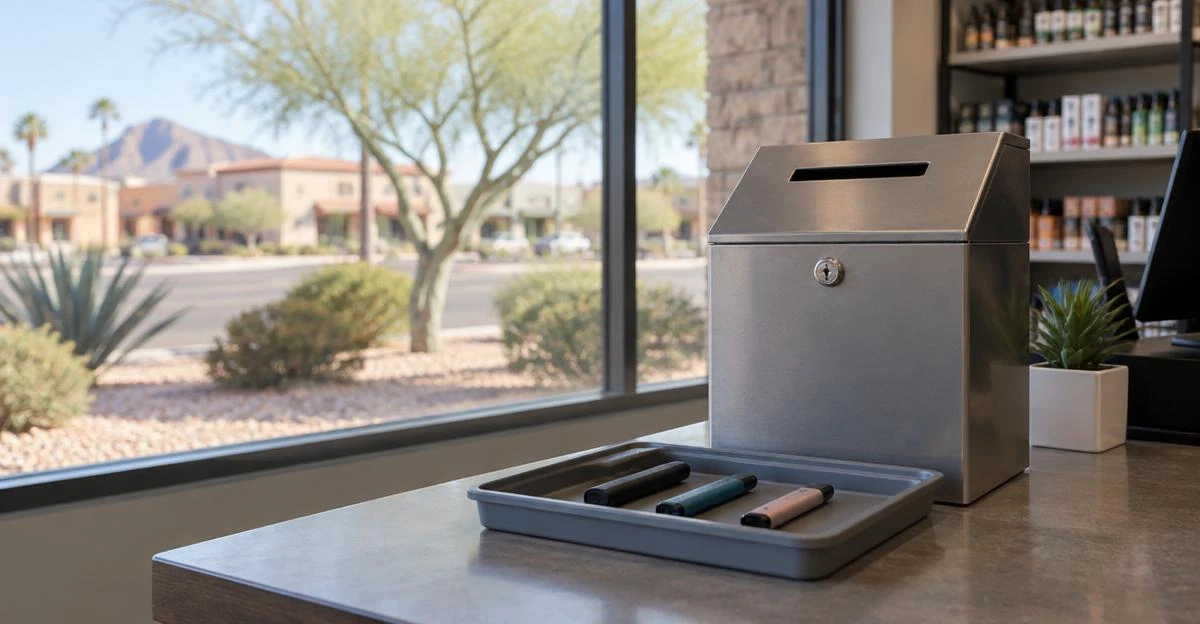
Some progressive vape shops and electronics retailers offer dedicated, fire-safe collection bins for used devices.
Store Them Safely Before Disposal
Keep used vapes in a cool, dry place away from direct sunlight or extreme heat. A metal tin or glass jar is ideal for temporary storage until you can drop them off.
Never Attempt To Dismantle The Device
Trying to remove the battery yourself increases the risk of puncturing the cell. Leave the dismantling to trained professionals.
Critical Mistakes
Section 09
Avoid These Common Disposal Errors
- Do not throw vapes in the kitchen trash or outdoor dumpster.
- Do not toss them into municipal blue recycling bins.
- Do not flush them down the toilet or drop them in storm drains.
- Do not leave them in a hot car, as extreme heat causes battery swelling.
- Do not hit, crush, or puncture the device to see what is inside.
Long-Term Impact
Section 10
The True Cost Of Improper Vape Disposal
The environmental footprint of a disposable vape extends far beyond its short lifespan. Millions of these devices are sold every month, and the vast majority currently end up in landfills.
| Material | Environmental Consequence |
|---|---|
| Lithium-Ion Battery | Leaches cobalt, lithium, and toxic electrolytes into the soil. Wastes finite resources. |
| Plastic Casing | Breaks down into microplastics over hundreds of years, eventually contaminating local waterways. |
| Copper and Wiring | Throws away valuable metals that must then be re-mined from the earth at a high environmental cost. |
| Nicotine Residue | Acts as an aggressive neurotoxin in the soil, harming beneficial insects, birds, and small mammals. |
Legal Framework
Section 11
How Regulations Treat Vape Waste
Environmental protection agencies are increasingly focused on the dangers of electronic cigarette waste. Disposing of these items improperly often violates local and federal waste guidelines.
Federal Guidelines: The EPA classifies nicotine as a hazardous waste and lithium batteries as universal waste requiring special handling.
Local Ordinances: Many cities strictly prohibit all forms of electronic waste in standard municipal trash collections.
Business Requirements: Retailers face strict regulations and potential fines regarding the storage and disposal of unsold or collected vape products.
Transportation Rules: Shipping damaged lithium batteries requires specialized labeling and packaging under federal transportation laws.
Safe Handling
Section 12
The Correct Steps For Vape Battery Disposal
Collect
Gather your used devices in a dedicated, non-flammable container like a metal tin.
Protect
Keep the container away from heat sources, direct sunlight, and moisture.
Locate
Find a local Household Hazardous Waste (HHW) drop-off point in your county.
Transport
Carry the devices safely in your vehicle, ensuring they cannot be crushed or punctured during transit.
Hand Off
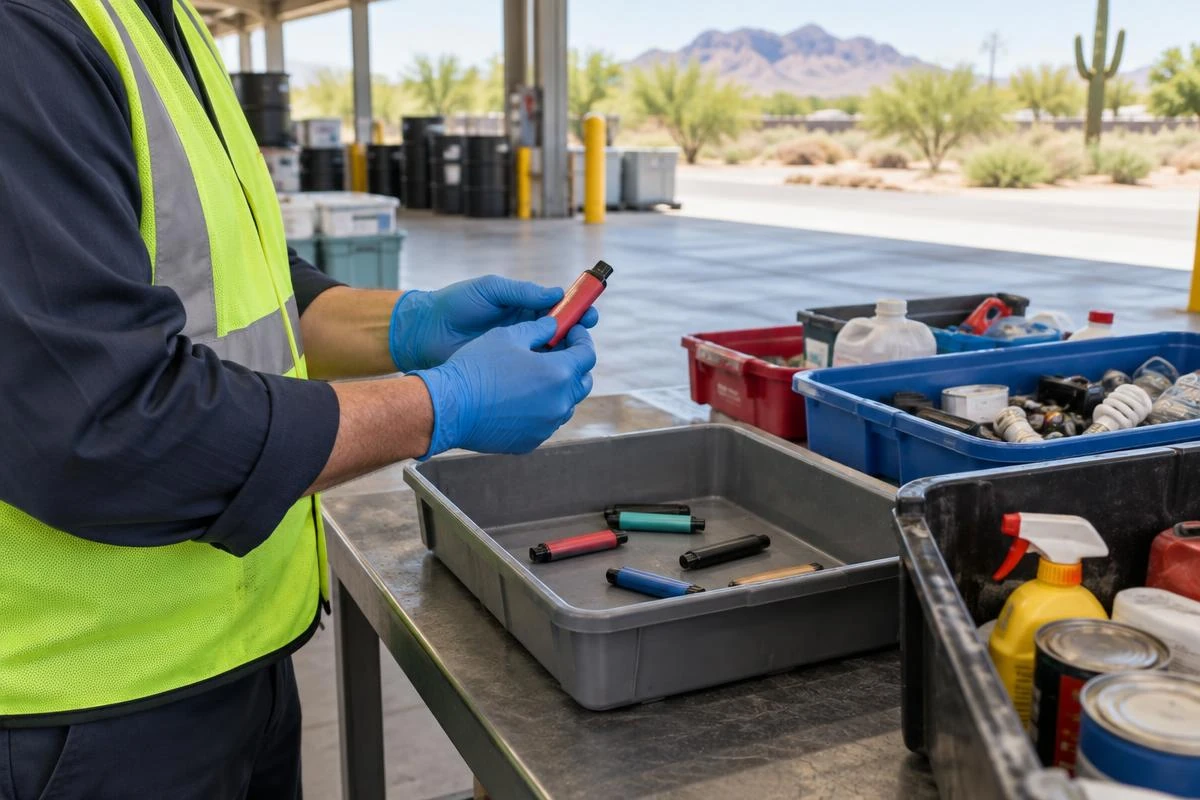
Give the devices directly to trained professionals at the waste facility.
Minimize your risk: Never stockpile hundreds of devices at home. Make regular trips to your local hazardous waste facility to keep fire risks low.
Professional Solutions
Section 13
How Cloud Cycle Manages Vape Waste In Arizona
Cloud Cycle provides specialized collection and recycling services for Arizona businesses. We ensure that disposable vapes are kept out of local landfills and recycling centers, protecting the community from fires and toxic leaching.
Secure Collection Bins
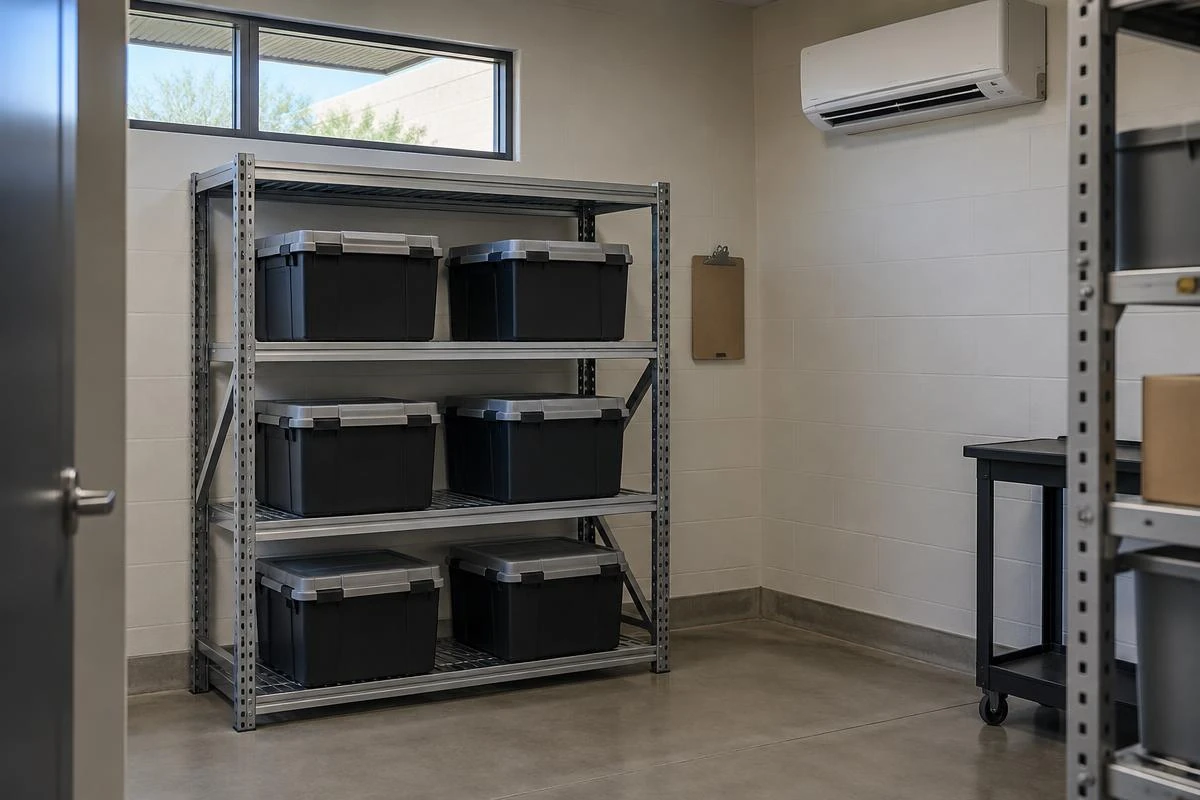
We provide fire-resistant bins for the safe on-site storage of used devices.
Scheduled Pickups
Regular collection prevents the dangerous stockpiling of used lithium-ion batteries.
Compliant Processing
We route all collected materials to authorized facilities for safe, legal dismantling.
Transparent Reporting
We provide documentation proving your commercial waste was handled correctly.
If you operate a retail location, review our Inquiries to learn how you can implement a safe collection system for your business.
Common Questions
Section 14
Frequently Asked Questions
Why Should Disposable Vapes Not Be Thrown Away In The Trash?
Disposable vapes contain lithium-ion batteries that cause fires when crushed in garbage trucks. They also contain liquid nicotine, which is a toxic chemical that contaminates soil and groundwater when left in a landfill.
Can I Put A Disposable Vape In The Recycling Bin?
No. Municipal recycling facilities cannot process electronic waste. A vape in a standard recycling bin is a severe fire hazard that can easily destroy the sorting facility and endanger workers.
How Do I Handle Vape Battery Disposal Safely?
Take your used vapes to a local Household Hazardous Waste (HHW) facility. You can also check with local electronics retailers or vape shops that offer a dedicated electronic waste take-back program.
Is It Safe To Remove The Battery From A Disposable Vape?
No. Attempting to dismantle a disposable vape yourself can puncture the lithium-ion battery. This leads to an immediate, dangerous chemical fire. Always leave the dismantling to trained professionals.
What Should I Do If A Disposable Vape Starts To Swell?
A swelling device indicates a failing battery that could vent gas or catch fire. Place it in a fire-proof container, such as a metal bucket with sand, and contact your local hazardous waste facility immediately for drop-off instructions.
Arizona Vape Collection
Section 15
Keep Vape Waste Out Of Arizona Landfills
Cloud Cycle offers secure, compliant vape collection services for businesses in Mesa and across Arizona. Protect your community from battery fires and toxic waste by partnering with a professional disposal service.
Explore Our Services Contact Us Today CCAbout Cloud Cycle
Cloud Cycle is an Arizona-based vape waste and lithium-ion battery collection service. We help businesses implement safe, compliant disposal programs to protect the environment and prevent catastrophic battery fires.

Talk To Cloud Cycle
Discuss responsible vape waste and battery collection solutions.